01Baking and food processing
Training centre
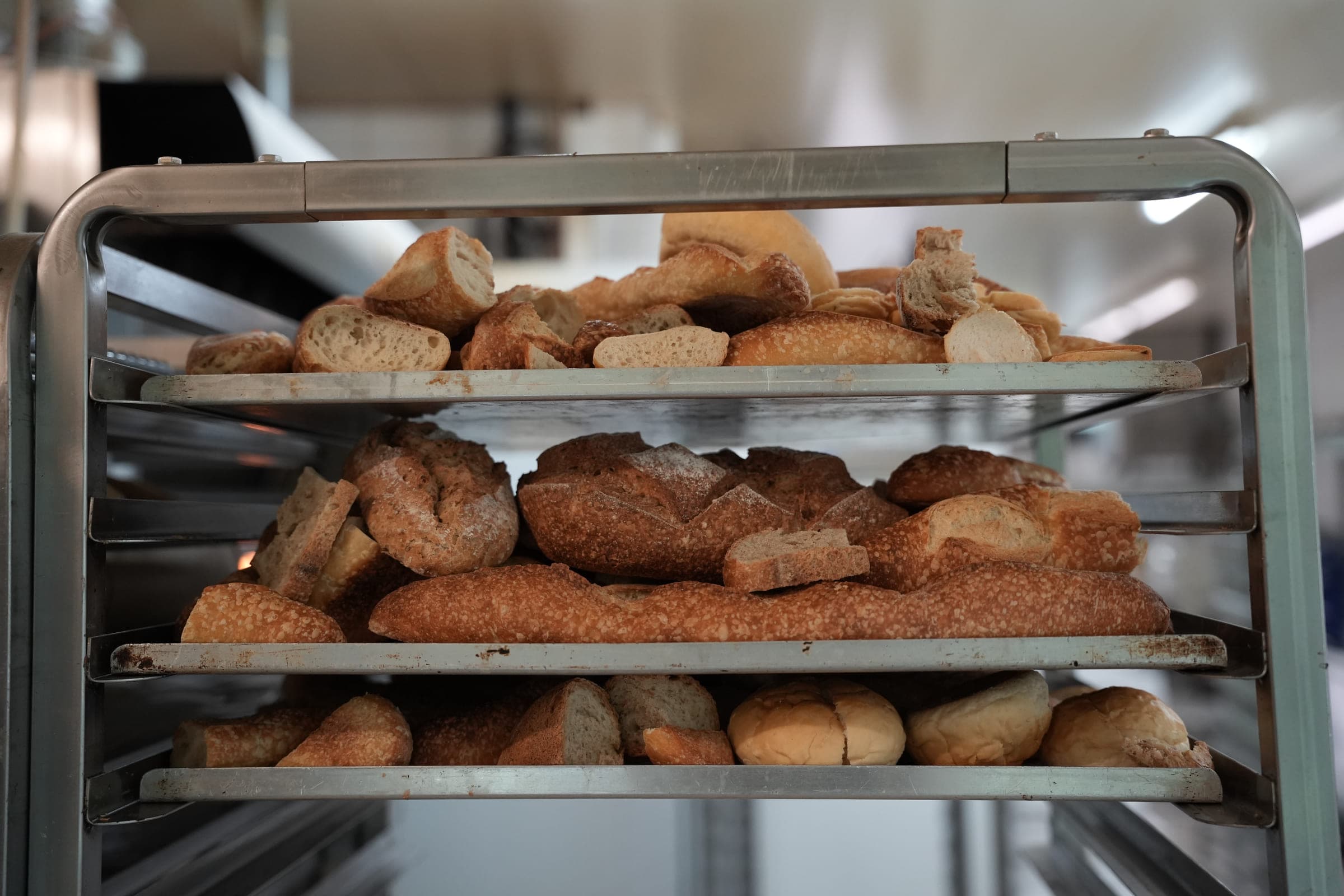
A dual approach (theory, practice, work placement) organised in eight modules, from the craft of bread-making to equipment maintenance. The training focuses on processing the grains grown locally.
Geneva · Kaolack department, Senegal
Kaolack grows millet and sorghum, and buys the flour for its bread abroad. A centre there will train young people to bake with the department’s own grains: a trade, and a supply chain that stays local. The idea did not come from Geneva. It came from Kaolack.
Local grains
80%
Millet, maize and sorghum, grown in the department
Imported wheat
20%
Today’s bread depends on it almost entirely
2026Project description, Kaolack Departmental Council
Why this project, and why there
None of these findings are ours. Every one of them is written down, in black and white, in the development plan the department drew up for itself. The quotations are our translation.
Millet, maize, sorghum, groundnut, rice, cassava, cowpea. In a single season: sixty thousand tonnes of millet, forty-four thousand of maize, fifteen thousand of sorghum.
The plan acknowledges a few processing units, then names what is missing: a way to keep the produce, and an outlet for what has been processed.
“problem of marketing processed agricultural products”
The department’s wholesalers buy basic foodstuffs straight from importers. So the processing work, and the money it brings in, happens somewhere else too.
The department says so itself, twice in the same list of what it lacks.
“Absence of training centres for the artisanal trades”
The average age is twenty-three. The plan speaks of a “high rate of youth unemployment” and of “difficulty accessing financing”.
“high rate of youth unemployment”
The missing link
A bakery school built onto the grain supply chain is three things at once: a training centre for a trade with a future, an agricultural processing unit, and a source of jobs.
Absence of training centres for the artisanal trades
The productive sectors, and those that support production, suffer from enormous problems, linked on the one hand to the rudimentary practices of those involved and on the other to their lack of supervision.
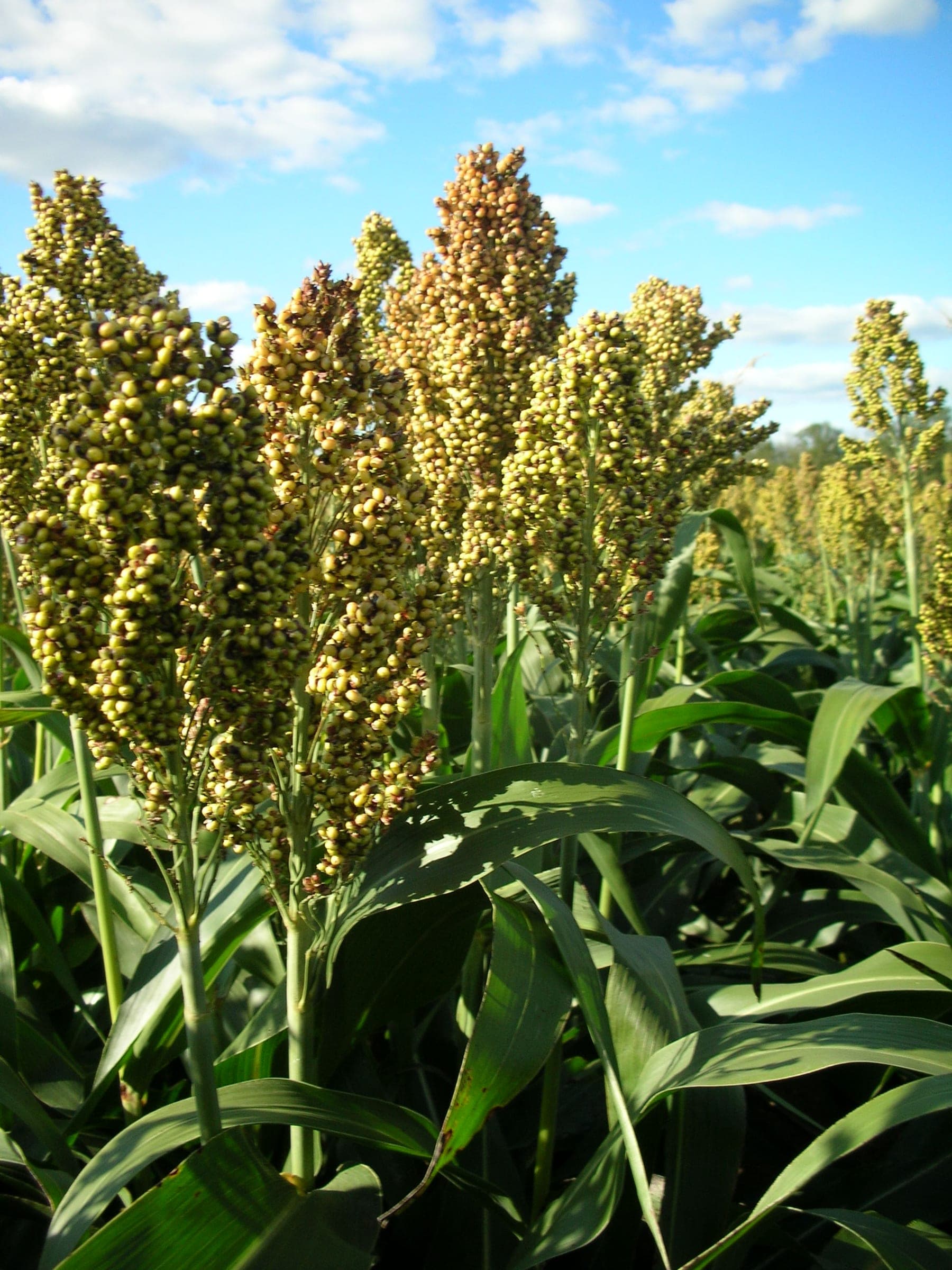
Sorghum. The department already grows it, and does not yet process it.
What the project sets up
The second one comes as a surprise, and it is the one that holds the rest up: the school restaurant earns the money that keeps the training alive.
A dual approach (theory, practice, work placement) organised in eight modules, from the craft of bread-making to equipment maintenance. The training focuses on processing the grains grown locally.
A unit that is both educational and economic: it trains people in catering and in processing poultry products, and it earns the income that keeps the centre running. This is the component that makes the whole thing last without a permanent subsidy.
The upstream link: growing part of the inputs on site, training people in agroecological practices, and diversifying the site’s income.
The project in four figures
The territory
The project is led by the authority that runs the department, with an elected council of 80 members.
Who carries the project
The project is run in Kaolack by the Departmental Council and the four communes that make up the Naatal Kaolack grouping, together with Geneva’s artisan bakers. A Geneva association is being set up to support it from Switzerland: to make the project known, and to raise funds.
Each does what it knows how to do, where it is. Nothing is decided in Geneva on Kaolack’s behalf.
The partners, and where the agreement stands