The territory
Kaolack
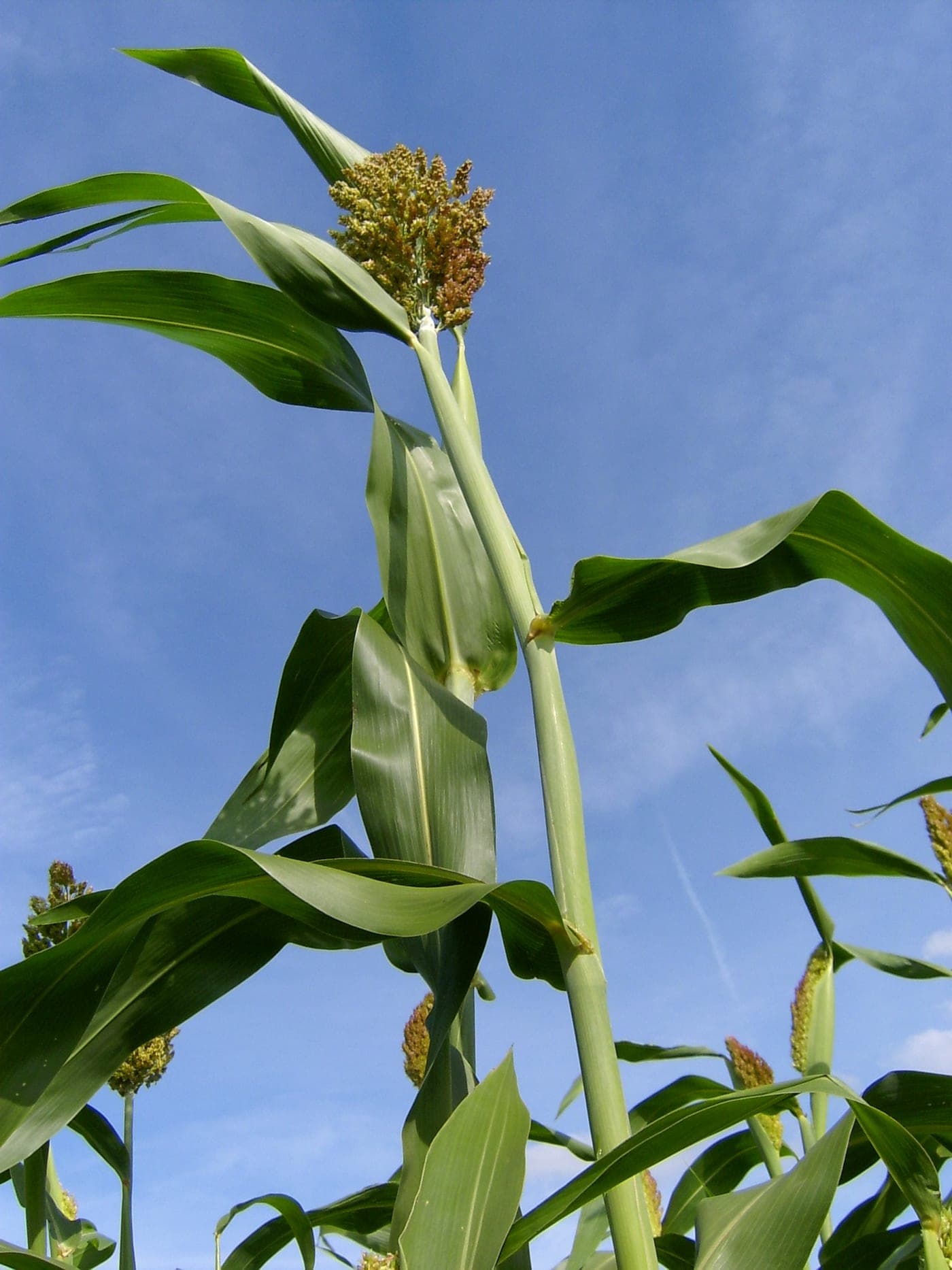
A town in the Sine Saloum, set where Senegal, The Gambia, Mali and Guinea meet. People there grow millet and sorghum. They eat bread made from imported flour.
About these figures
They come from the development plan the department adopted for 2024-2028 and updated in 2025. Most of them date from 2022 and 2023: they describe the Kaolack of three years ago, not this morning’s. We date them one by one rather than rounding them off.
The department
A crossroads between four countries
Three national roads cross it, The Gambia begins at its border, and its river-and-sea port comes up the Saloum. That is what made it the region’s leading market.
The department has given itself a development plan, with an ambition it puts this way:
To make the department of Kaolack, by 2028, a prosperous, resilient and inclusive territory, driving the sustainable development of the Sine Saloum territorial hub.
The partner
A public partner, and an elected one
The project is not run from Switzerland. It is led by the authority that governs the department.
- An elected council
- 80 councillors, 40 women and 40 men. Senegalese law requires parity on electoral lists.
- The territory
- 14 communes and 3 districts, 664,000 inhabitants, an average age of 23.
- Its role
- To draw up and carry out the department’s development plan.
- What it brings to the project
- The land for the school, farmland, and a share of the funding.
The four communes
Where the water will be drilled and the land irrigated
The Departmental Council and four of its communes have come together in a public-law grouping, created by ministerial order on 3 April 2026. The project’s farms will be on their land.
To design and carry out joint projects for economic, environmental, educational and health development.
The grouping is called Naatal Kaolack. It has a public accountant, reports on its accounts every six months, and the department’s prefect represents the State within it. That is not an administrative footnote: it is what puts the project’s money into books that can be checked.
The needs, in the partner’s own words
A need Kaolack named before we did
These are not our conclusions. They are the findings the department wrote into its own development plan.
Absence of training centres for the artisanal trades
- 01
The department grows grain
Millet, maize, sorghum, groundnut, rice, cassava, cowpea. In a single season: sixty thousand tonnes of millet, forty-four thousand of maize, fifteen thousand of sorghum.
- 02
But it processes little, and struggles to sell what it does process
The plan acknowledges a few processing units, then names what is missing: a way to keep the produce, and an outlet for what has been processed.
- 03
Staple foods come from somewhere else
The department’s wholesalers buy basic foodstuffs straight from importers. So the processing work, and the money it brings in, happens somewhere else too.
- 04
And nobody trains people in the artisanal trades
The department says so itself, twice in the same list of what it lacks.
- 05
Young people have neither jobs nor financing
The average age is twenty-three. The plan speaks of a “high rate of youth unemployment” and of “difficulty accessing financing”.
What the project comes to change
Three of the department’s objectives, taken up by the project
Train
A training centre for the artisanal trades
Listed in the department’s action plan for its first year
The training centre and its eight modules
Grow
Intensify agriculture and livestock farming
The first objective of the department’s plan
The irrigated farms of the four communes, the grain supply chain, the school restaurant
Open up
Promote young people and women
One of the objectives of the department’s plan
One to two hundred young people trained each year, 45% of them women
The department’s plan has four axes: the economy, basic services, the environment and local governance. The project answers three objectives from the first two, and leaves the rest alone.